

Hydrogen peroxide is widely known as a disinfectant and cleaning agent. Some homeowners believe it can help break down buildup in pipes and clear minor clogs. While it may offer limited help in certain situations, it is important to understand how it works, when it might be useful, and when it is better to call a professional plumber.
How Hydrogen Peroxide Works in Drains
Hydrogen peroxide is a mild oxidizing agent. When it comes into contact with organic materials, it releases oxygen bubbles. This bubbling action can help loosen debris and break down certain types of buildup.
For minor blockages caused by organic matter such as soap residue, grease film, or hair buildup, hydrogen peroxide may help loosen material inside the pipe. The bubbling reaction can lift debris away from the pipe walls and help water flow more freely.
However, hydrogen peroxide is not a powerful drain cleaner. It does not dissolve thick grease, solid obstructions, or large clumps of hair. It also will not clear clogs that occur deeper in the plumbing system.
How Some Homeowners Use Hydrogen Peroxide for Minor Clogs
People who try this method usually combine hydrogen peroxide with baking soda to create a foaming reaction. The mixture can help break down light buildup and deodorize the drain.
The process typically involves pouring baking soda into the drain followed by hydrogen peroxide. The mixture reacts and produces foam that can loosen debris. After allowing the reaction to sit for a short time, the drain is flushed with hot water.
While this method can sometimes improve drainage slightly, it should be viewed as a temporary solution rather than a complete fix.
Is Hydrogen Peroxide Safe for Your Plumbing?
In general, small amounts of hydrogen peroxide are considered safe for most household plumbing systems. It is less corrosive than many chemical drain cleaners sold in stores.
Because hydrogen peroxide is relatively mild, it is unlikely to damage metal pipes or PVC plumbing when used occasionally. It also breaks down into water and oxygen, which makes it environmentally friendly compared to harsh chemical products.
However, safety still depends on how it is used. Hydrogen peroxide should never be mixed with certain chemicals, including some commercial drain cleaners or bleach. Combining cleaning chemicals can produce dangerous reactions and harmful fumes.
Another important point is that hydrogen peroxide does not address the root cause of many plumbing clogs. Repeated use may temporarily improve drainage but will not eliminate serious blockages.
When Hydrogen Peroxide Will Not Work
Many drain problems occur because of issues that hydrogen peroxide cannot solve. Thick grease buildup inside kitchen pipes is one example. Hair clogs in bathroom drains are another common issue.
In addition, deeper plumbing problems such as blocked sewer lines, tree root intrusion, or collapsed pipes cannot be fixed with household cleaning products.
Signs that a clog requires professional attention include recurring slow drains, water backing up in multiple fixtures, gurgling sounds from pipes, or foul odors coming from drains. These symptoms often indicate a larger issue in the plumbing system.
When these problems appear, it is best to contact a licensed plumber rather than relying on home remedies.
Safer Ways to Prevent Drain Clogs
Preventing clogs is often easier than clearing them after they develop. A few simple habits can help keep your plumbing system working properly.
Avoid pouring grease, oil, or food scraps down kitchen drains. These materials can solidify inside pipes and create stubborn blockages. In bathroom sinks and showers, use drain covers to catch hair before it enters the pipes.
Running hot water after using the sink can help move small particles through the plumbing system before they accumulate. Regular professional inspections can also identify buildup before it becomes a major problem.
When Professional Drain Service Is the Best Solution
Home remedies may offer limited help for minor issues, but serious clogs often require specialized equipment. Professional plumbers use tools such as drain augers and high-pressure cleaning equipment to remove stubborn buildup safely.
A professional inspection can also determine whether the problem is located in the home’s plumbing system or deeper in the sewer line.
Addressing the issue early can prevent pipe damage, water backups, and expensive repairs later.
Need Help With a Stubborn Drain?
If you are dealing with slow drains, repeated clogs, or plumbing issues that home remedies cannot fix, professional help can save time and frustration.
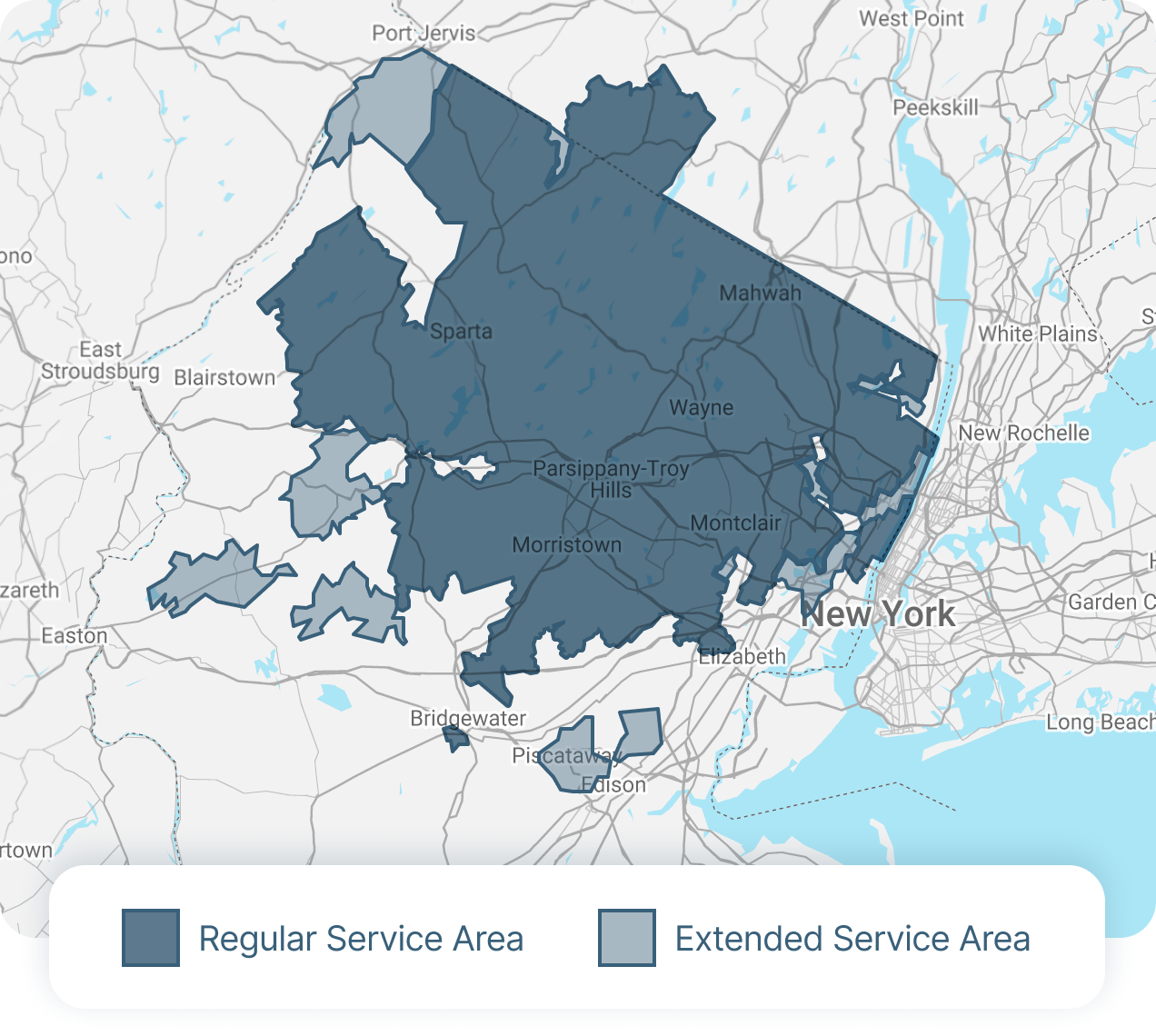
At Efficient Air Service, our experienced plumbers provide reliable plumbing services designed to restore proper drainage and protect your home’s plumbing system. Whether the issue involves buildup, damaged pipes, or a deeper blockage, our team can identify the cause and provide a lasting solution.
Call 973-363-9180 today to schedule service with Efficient Air Service and get your plumbing system flowing properly again.